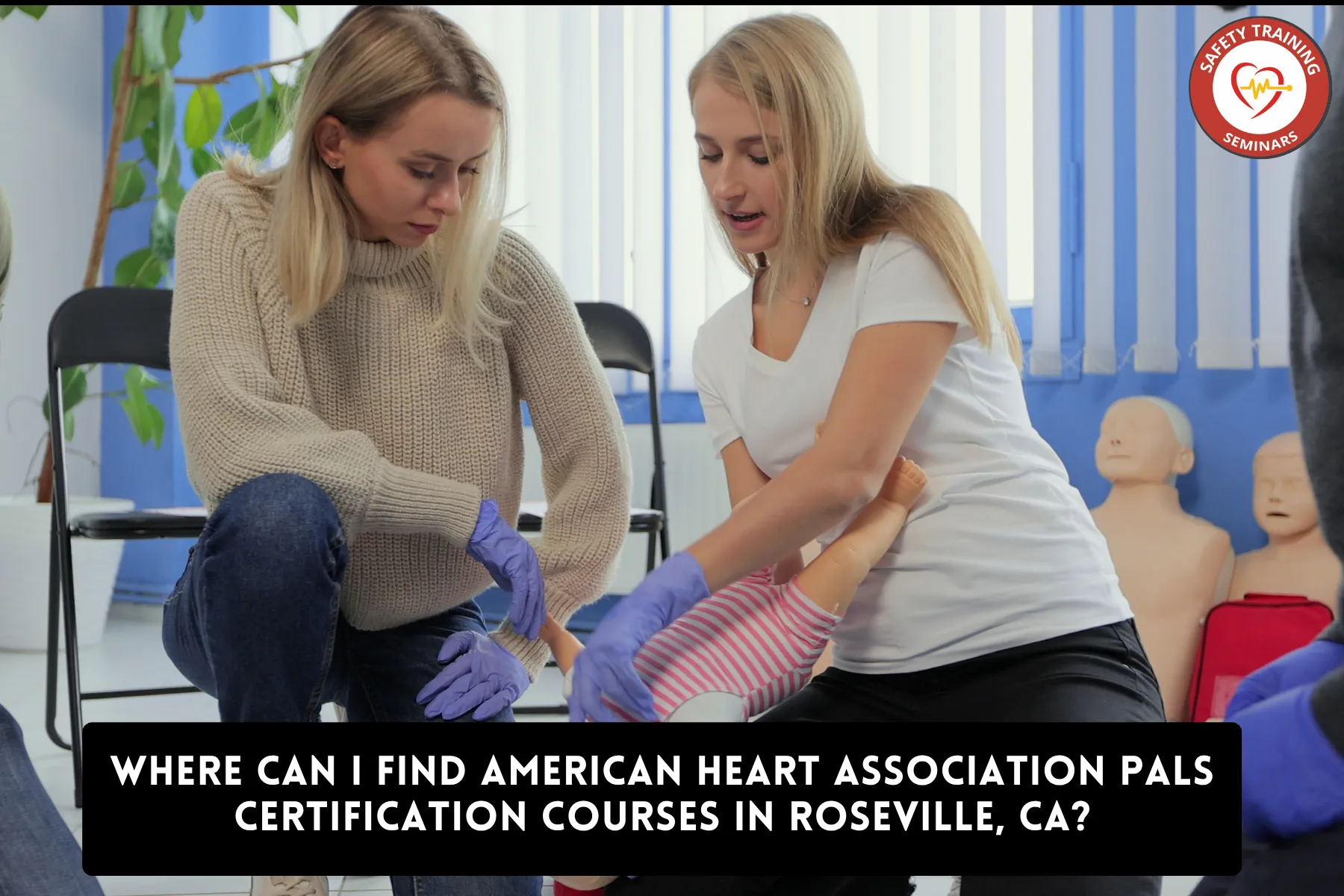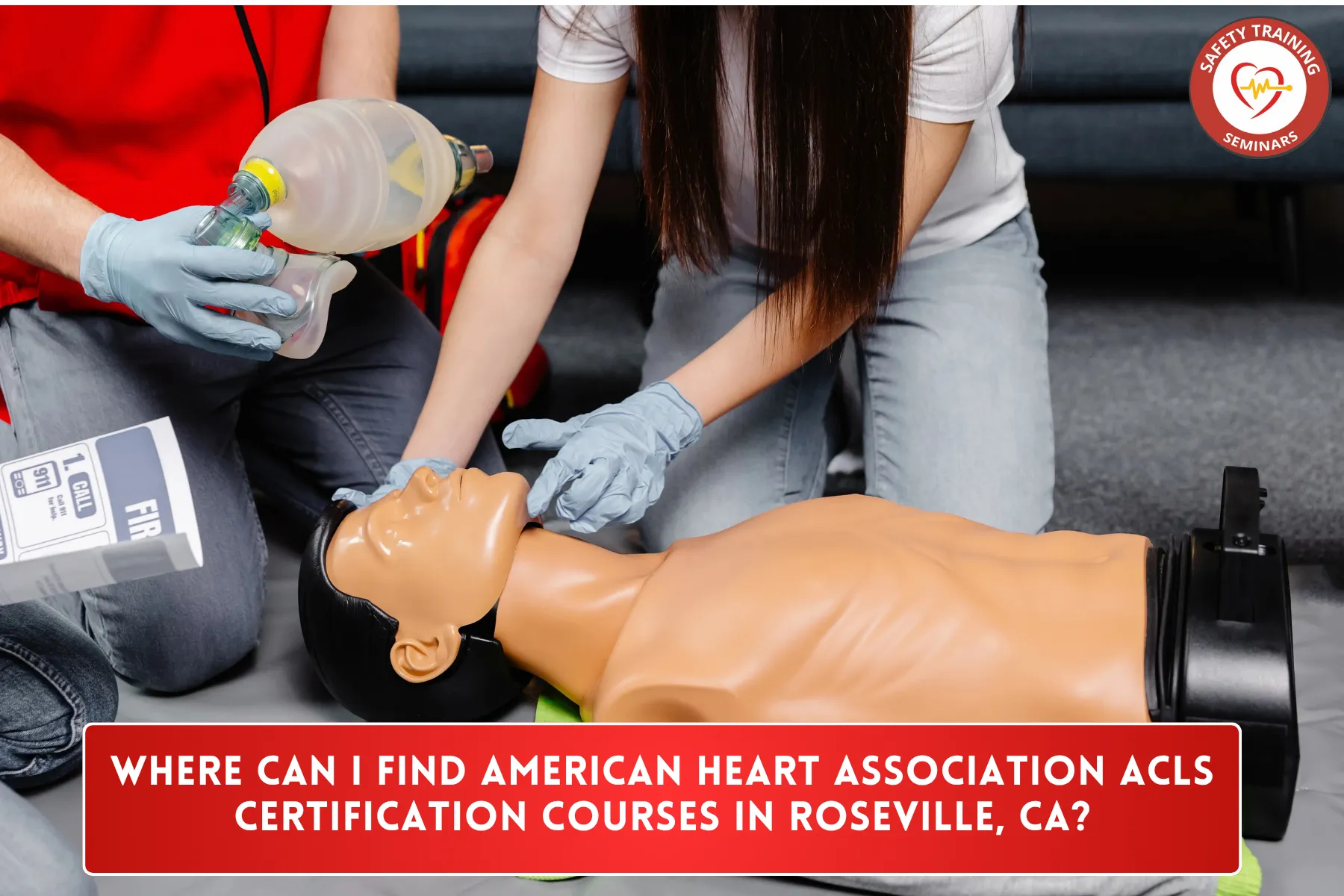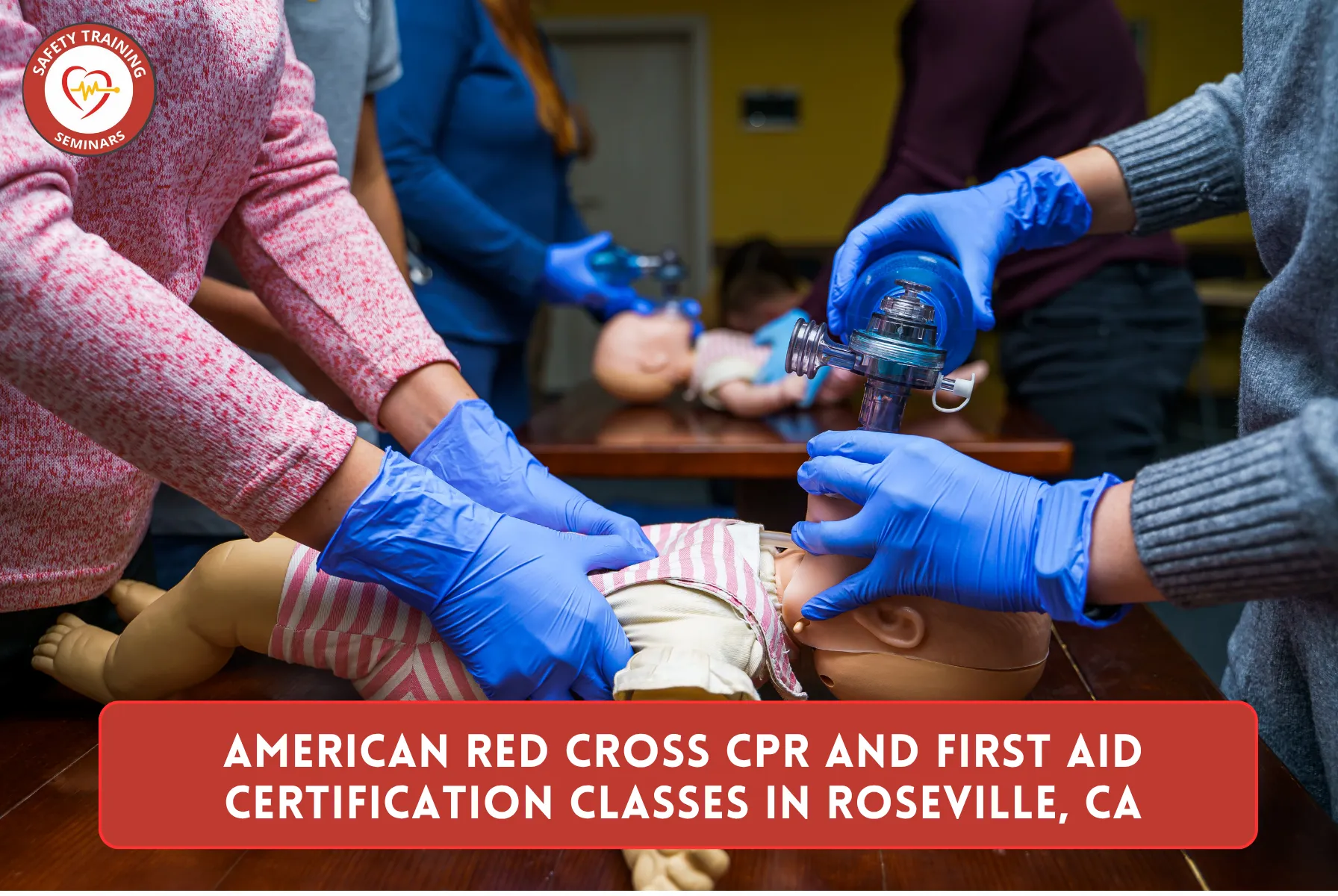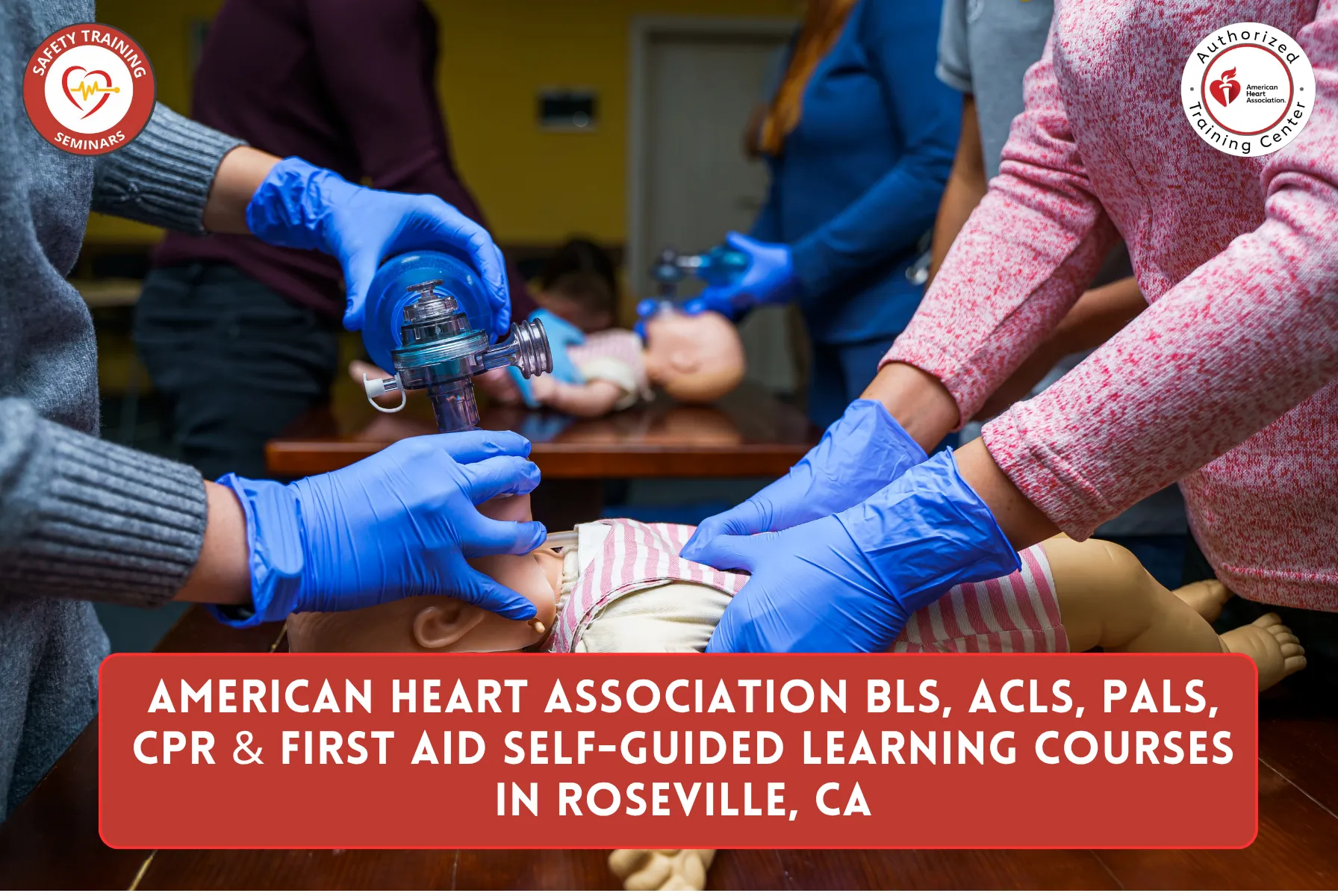
The rapid expansion of Roseville as a regional economic and healthcare hub in Placer County has resulted in distinctive safety requirements for both the community and professionals. Emergency preparedness is a daily priority for local workers, educators, and healthcare students, as evidenced by the teeming retail centers along Douglas Boulevard and the Galleria mall corridors, as well as the expanding clinical environments and regional educational campuses. It is imperative to acquire a recognized credential in emergency response, regardless of whether you are navigating clinical placement prerequisites for local nursing programs or maintaining workplace safety compliance for a Placer County business.
Understanding what to look for in a local training program ensures that you gain actionable, confidence-building skills rather than just checking an administrative box.
Navigating Emergency Training Requirements in Placer County
Different professional and personal environments place distinct demands on emergency responders. A workplace safety coordinator managing an office park near the Stanford Ranch area requires a different level of preparation than a nursing student completing clinical hours at a local medical center.
General community training typically focuses on immediate bystander response, covering core techniques for handling sudden cardiac arrest, choking emergencies, and common traumatic injuries. In contrast, professional healthcare education emphasizes structured teamwork, precise compression-to-ventilation ratios, and advanced airway management support. Knowing your specific institutional requirements before enrolling prevents scheduling delays and ensures complete compliance with employer or academic standards.
Key Distinctions in Training Objectives
- Bystander & Workplace Focus: Emphasizes early recognition, swift activation of emergency medical services, and immediate use of automated external defibrillators (AEDs) for adult, child, and infant emergencies.
- Healthcare Provider Focus: Focuses on multi-rescuer coordination, high-performance ventilation techniques, and advanced barrier device usage tailored to clinical settings.
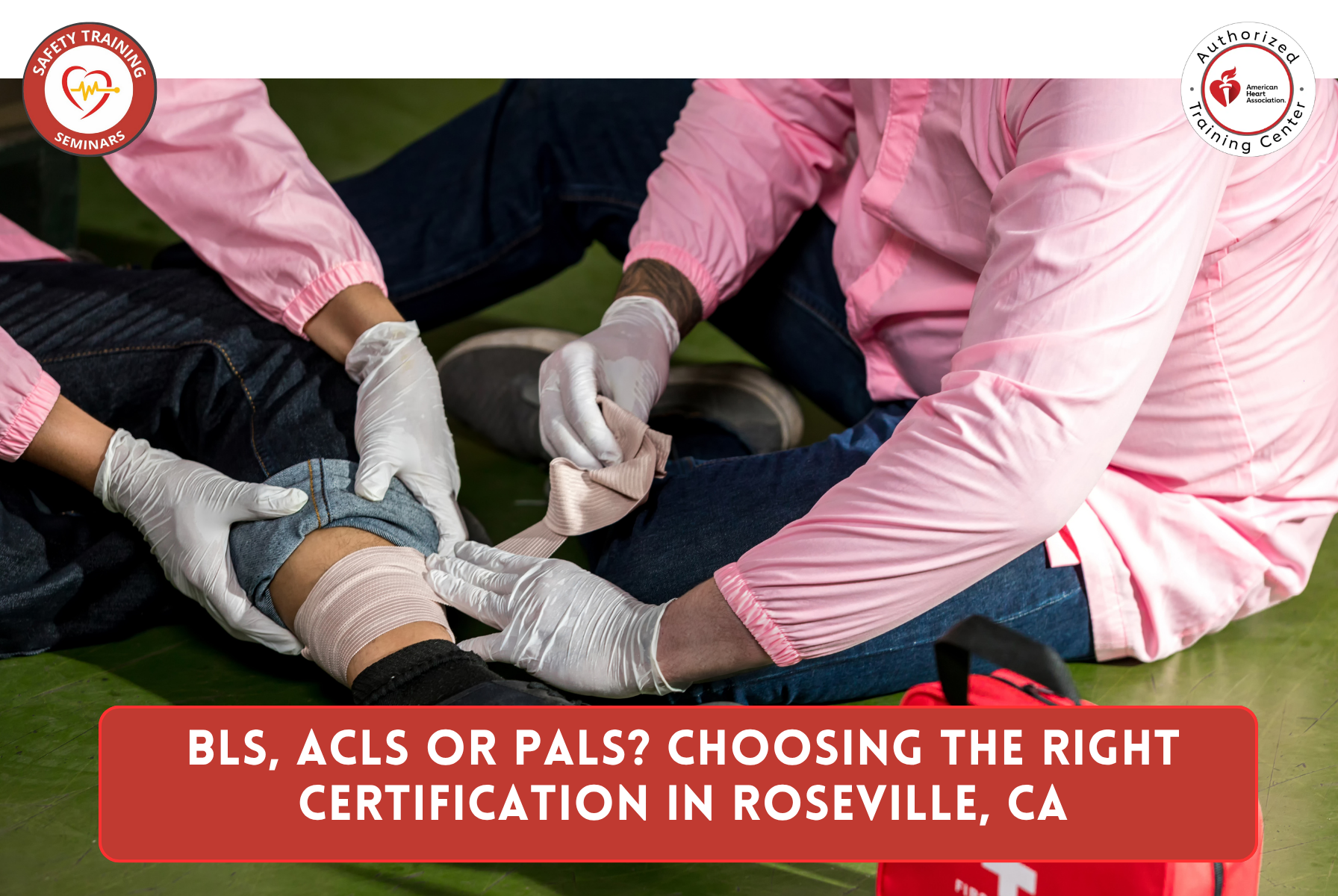
- First Aid Integration: Combines life-saving rescue techniques with treatment protocols for environmental emergencies, sudden illnesses, soft tissue injuries, and bone stabilization.
The Role of Emergency Preparedness in Roseville’s Healthcare and Community Landscape
Roseville is a critical medical hub in South Placer County, with major regional facilities like Sutter Roseville Medical Center and Kaiser Permanente Roseville Medical Center, as well as a plethora of specialized outpatient clinics and urgent care centers. Local school districts, athletic facilities, and commercial enterprises, in conjunction with these facilities, generate an environment in which trained responders are perpetually in hot demand.
Healthcare support staff, medical assistants, dental professionals, and allied health students are required to maintain active verification as a professional standard. In the interim, comprehensive safety training is utilized by local educators, fitness instructors, and youth coaches to safeguard children and community members in academic and recreational environments.
Choosing the Right Program Structure
Selecting an educational format depends on your learning style, schedule flexibility, and hands-on practice requirements. High-quality training programs balance comprehensive cognitive learning with rigorous physical skills practice.
Understanding Learning Formats
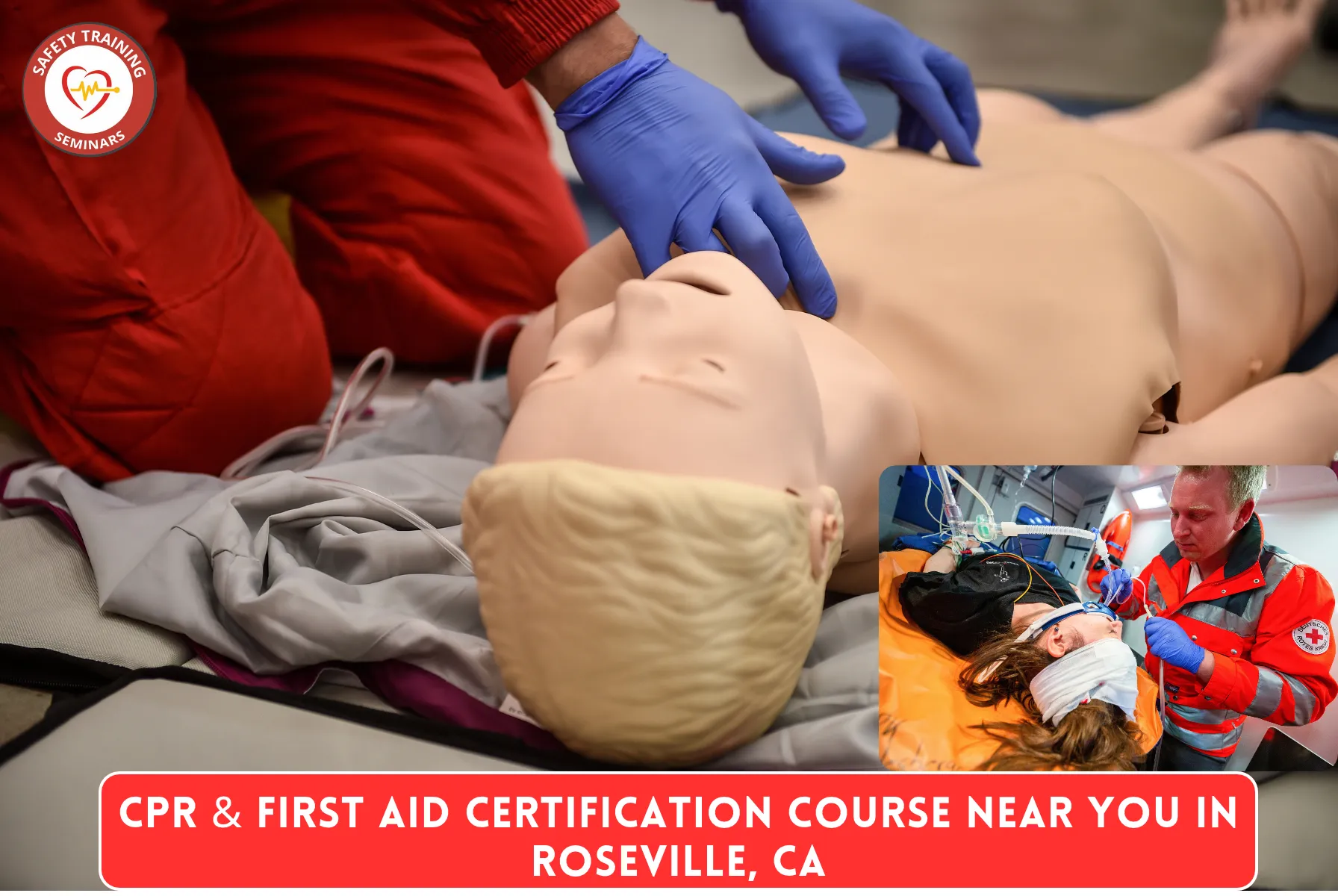
- Blended Learning (Hybrid): Combines flexible, self-paced online cognitive modules with a mandatory, instructor-verified hands-on skills session. This approach allows learners to master theoretical concepts on their own schedule before proving physical competency on specialized manikins.
- Traditional Classroom Instruction: Offers a fully instructor-led environment ideal for learners who benefit from direct faculty engagement, real-time Q&A, and immediate feedback during physical practice.
Comprehensive Course Offerings in Roseville
When looking for a CPR & First Aid Certification Class, it is important to choose curriculum tracks aligned with current American Heart Association (AHA) guidelines. Comprehensive instruction covers several critical competencies:
- Adult, Child, and Infant Rescue: Tailoring chest compression depth, rate, and rescue breath delivery according to the victim’s age and anatomical size.
- AED Integration: Learning how to properly apply, interpret, and follow prompts from automated external defibrillators in high-stress scenarios.
- Choking Relief Protocols: Mastering responsive and unresponsive foreign-body airway obstruction management across all age groups.
- First Aid Fundamentals: Developing systematic approaches to bleeding control, burn assessment, splinting, and managing sudden medical emergencies like severe allergic reactions or diabetic crises.
Local Training Support with Safety Training Seminars
For individuals and organizations seeking reliable instruction, finding an accessible local provider is a priority. Safety Training Seminars offers professional American Heart Association training courses designed to meet both workplace compliance and healthcare career requirements.
Residents can access convenient, structured instruction right in the community at the Safety Training Seminars Roseville CPR Training Center Address: 805 Douglas Blvd., Suite 138, Roseville, CA 95678. These sessions provide supportive environments featuring modern manikins, realistic training tools, and experienced instructors dedicated to building genuine emergency response confidence. Successful participants receive valid AHA Course Completion eCards, widely accepted by employers, academic institutions, and regulatory agencies throughout California.
Frequently Asked Questions
What is the difference between standard CPR and Basic Life Support (BLS)?
Standard CPR courses are generally designed for workplace employees, teachers, coaches, and community members who need to know how to respond to sudden cardiac arrest. Basic Life Support (BLS) is specifically tailored for healthcare providers, nursing students, and emergency medical personnel, emphasizing multi-rescuer coordination, bag-valve-mask usage, and advanced clinical protocols.
How long is my course completion documentation valid?
Under American Heart Association guidelines, standard course completion eCards for CPR, First Aid, and BLS are valid for two years from the date of successful completion. Learners must complete a renewal course prior to the expiration date to maintain active status.
Do I need First Aid alongside my CPR training?
This depends entirely on your employer or school requirements. Many administrative, childcare, and industrial positions require combined CPR & First Aid Certification Course curricula to ensure workers can handle both cardiac emergencies and physical trauma. Always verify specific job or clinical prerequisites before registering.
Take the Next Step in Emergency Preparedness
Equipping yourself with life-saving skills is one of the most practical investments you can make for your career, workplace, or community. Whether you are fulfilling a clinical prerequisite or ensuring your team is prepared for any workplace contingency, choosing a reputable provider ensures your training meets rigorous standards.
Review current course schedules and secure your spot today by visiting the Safety Training Seminars Roseville location details to find a class that fits your timeline.