Navigating life support certification requirements can feel overwhelming when preparing for a new clinical role, nursing clinicals, or hospital credentialing. If you are based in Roseville, California, selecting between Basic Life Support (BLS), Advanced Cardiovascular Life Support (ACLS), and Pediatric Advanced Life Support (PALS) boils down to your specific clinical scope, target patient population, and facility mandates.
Enrolling in the wrong track delays onboarding and wastes money, whereas picking the proper class ensures your card aligns perfectly with employer and state licensing standards. This decision guide breaks down who needs each level of resuscitation training, how online cognitive learning pairs with physical skills evaluations, and where Placer County professionals complete their hands-on practice.
Key Takeaway: BLS serves as the foundational CPR and airway management credential mandatory for almost all direct healthcare roles. ACLS builds directly on BLS for clinicians managing adult cardiac emergencies, while PALS focuses specifically on pediatric resuscitation algorithms. Always verify your employer or academic program’s precise requirements before enrolling.
Direct Scope Comparison: BLS vs. ACLS vs. PALS
Understanding how these three life support disciplines differ in clinical scope prevents booking an unnecessary or insufficient class level.
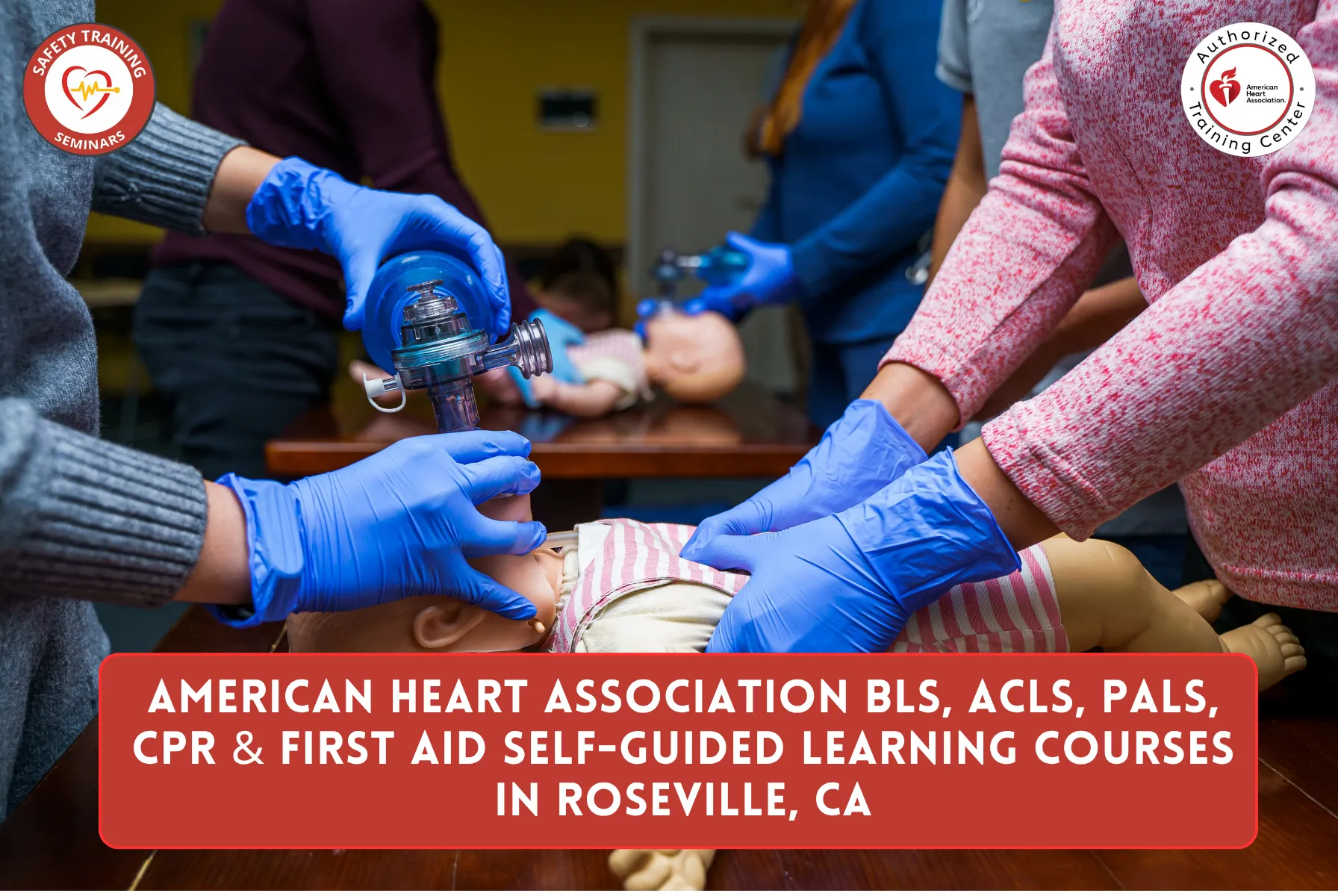
- BLS (Basic Life Support): Focuses on core resuscitation fundamentals, including high-quality single-rescuer and team CPR, automated external defibrillator (AED) integration, bag-valve-mask (BVM) ventilation, and choking relief for adults, children, and infants.
- ACLS (Advanced Cardiovascular Life Support): Extends BLS concepts to advanced adult cardiac care. Curricula include electrocardiogram (ECG) rhythm analysis, emergency pharmacology (such as epinephrine and amiodarone), advanced airway management, manual defibrillation, and post-cardiac arrest protocols.
- PALS (Pediatric Advanced Life Support): Focuses on systematic assessment and resuscitation for infants and children. Topics cover pediatric respiratory distress recognition, shock management, intraosseous (IO) access, and pediatric dysrhythmia treatment algorithms.
Aligning Healthcare Roles with Certification Levels
Facility policies and day-to-day patient contact dictate which card you must hold to maintain clinical privileges.
| Certification Level | Intended Audience | Core Clinical Skills | Common Work Settings |
| BLS | RNs, LVNs, CNAs, Dental Teams, EMTs, Healthcare Students | High-quality CPR, AED operation, BVM ventilation | Hospitals, outpatient clinics, dental offices |
| ACLS | ICU/ER Nurses, Paramedics, Physicians, Anesthetists | ECG interpretation, IV/IO pharmacology, cardioversion | Critical care units, emergency departments, EMS |
| PALS | Pediatric RNs, ER Clinicians, Pediatricians, Paramedics | Pediatric systemic assessment, shock management | Children’s hospitals, pediatric ERs, urgent care |
| First Aid / CPR | Teachers, Daycare Staff, Coaches, Workplace Teams | Basic CPR, AED response, general first aid care | Schools, daycares, corporate offices, gyms |
Identifying Which Course Your Job Description Requires
Matching your job title to clinical guidelines simplifies your registration choice.
Who Needs a BLS CPR Certification Course?
Enrolling in a BLS CPR Certification Course is mandatory for anyone providing direct patient care or entering a clinical education pipeline. Registered nurses, medical assistants, dental hygienists, physical therapists, radiologic technologists, emergency medical technicians, and nursing students require BLS as their baseline credential.
Who Requires ACLS Training?
ACLS targets clinicians who direct or manage adult resuscitation efforts. Emergency department nurses, intensive care unit personnel, telemetry nurses, cardiac catheterization lab teams, paramedics, and physicians must hold an active ACLS card. A valid BLS card is a mandatory prerequisite for ACLS certification.
Who Must Hold PALS Certification?
PALS is required for medical professionals providing advanced emergency or critical care to pediatric patients. Pediatric ICU staff, pediatric emergency nurses, urgent care clinicians, emergency physicians, and paramedics treating pediatric populations need PALS in addition to BLS.
Specialized Options: NRP and General CPR
Neonatal care specialists may require the Neonatal Resuscitation Program (NRP) for delivery room and NICU care. Non-healthcare personnel—such as childcare providers, teachers, coaches, and workplace safety leads—do not need clinical BLS. Instead, they require Heartsaver CPR, AED, and First Aid classes compliant with OSHA or California EMSA regulations.
Choosing Between In-Person Classes and Blended Learning
Placer County healthcare workers often manage rotating shifts. Knowing how training formats operate helps you pick an option that fits your schedule.
Traditional Instructor-Led Sessions
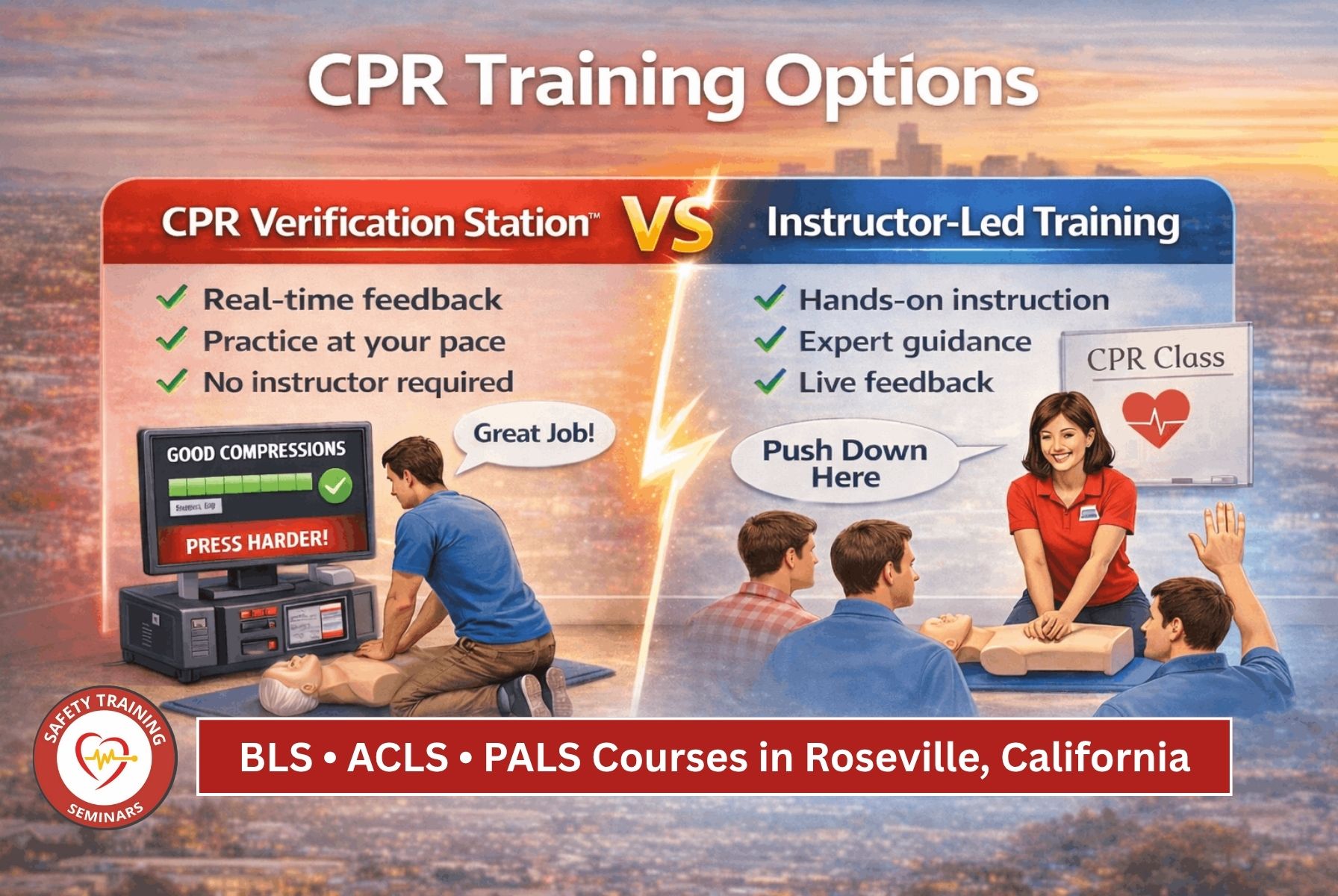
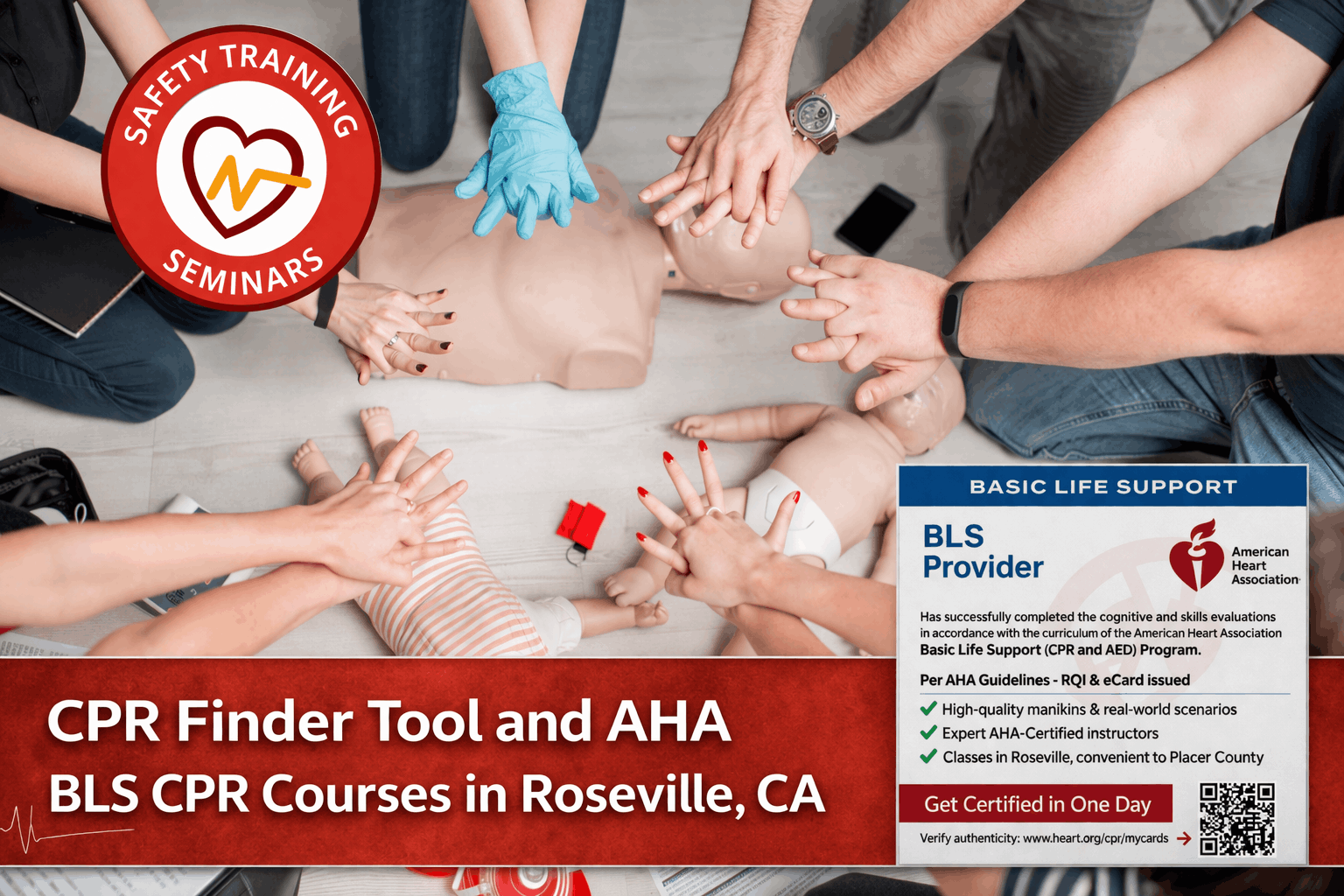
In-person classroom training combines video presentations, physical mannequin practice, and real-time instructor coaching in a collaborative group environment. First-time students or those who prefer direct, structured guidance often select this format.
Blended Learning Options
Blended learning pairs self-paced online cognitive coursework with a short, hands-on physical skills evaluation. After completing online modules, you meet with an instructor at an interactive testing station to demonstrate chest compression depth, rate, and bag-valve-mask technique. Hospital systems widely accept official American Heart Association blended learning certificates when paired with an in-person skills evaluation.
Avoiding Non-Compliant “Online-Only” Cards
Exercise caution with websites promising “100% online” certifications that skip physical skills evaluations. Most California healthcare employers, hospital networks, and licensing boards reject cards issued without hands-on verification on an approved mannequin.
Supporting Healthcare Workers Across Roseville and Placer County
Roseville serves as a central healthcare anchor for South Placer County, housing major regional medical centers, surgery centers, and specialized clinics. Clinical staff, traveling nurses, and healthcare students across the area require accessible options to keep credentials up to date.
Healthcare professionals residing in Roseville or commuting along the Interstate 80 and Highway 65 corridors rely on nearby training facilities. Whether you work locally or commute from neighboring communities such as Rocklin, CA, Lincoln, CA, or foothill areas like Colfax, CA, maintaining valid BLS, ACLS, or PALS cards ensures uninterrupted clinical practice.
Completing Your Credentials with Safety Training Seminars
For local healthcare personnel and students needing official certifications, Safety Training Seminars provides regular class offerings right in Placer County.
Location Details:
Safety Training Seminars Roseville CPR Training Center Address:
805 Douglas Blvd., Suite 138, Roseville, CA 95678
The Roseville location delivers official American Heart Association courses, including BLS, ACLS, PALS, NRP, and Heartsaver CPR First Aid. The center features flexible scheduling options—including weekend slots and fast-track blended learning skills checks—to accommodate busy clinical shift work.
Attending an established physical center guarantees that your hands-on skills testing meets hospital credentialing, academic program, and California state licensing standards. You can easily view available dates, pick your required discipline, and reserve your seat online prior to visiting the training center.
Frequently Asked Questions
How long do BLS, ACLS, and PALS certifications remain valid?
Official American Heart Association certifications are valid for two years from the issue date, expiring on the final day of the completion month. Employers typically require renewal before the card expires to prevent gaps in clinical eligibility.
Can I attend an ACLS or PALS class if my BLS card has expired?
No. Advanced courses assume full mastery of core CPR, AED, and airway management skills. You must maintain an active BLS card or take a combined BLS renewal alongside your ACLS or PALS course session.
Are blended learning CPR certificates accepted by California hospital networks?
Yes, provided the blended course includes a physical hands-on skills verification on an approved mannequin. California healthcare systems accept official AHA blended learning cards completed through authorized training centers.
What should I bring to my hands-on skills session in Roseville?
Bring a printed or digital copy of your online cognitive completion certificate if you enrolled in a blended learning course. Wear comfortable attire that allows you to perform physical compressions on the floor or a table station.
Do schoolteachers and daycare employees in Roseville need BLS certification?
Usually, no. Unless a specific school district policy demands BLS, non-clinical educators and childcare staff require Pediatric First Aid and CPR courses compliant with California EMSA standards rather than healthcare-level BLS.
Final Steps for Booking Your Class
Choosing between BLS, ACLS, and PALS depends on your clinical position, patient demographics, and facility protocols. General direct-care personnel and healthcare students should start with BLS, while critical care and emergency providers should add ACLS or PALS as dictated by their department requirements.
Always double-check your employer’s written requirements or academic clinical syllabus before registering. When you are ready to complete your hands-on skills evaluation, review available dates on the official course-location page for Safety Training Seminars in Roseville to secure your registration.